The Science Behind Lime in Paint
The Science Behind Lime in Paint
When it comes to interior and exterior finishes, the marriage of traditional materials with modern innovation can yield remarkable results. Graphenstone paints combine lime-based formulas with 21st-century graphene, combining tradition with the ultimate in modern technology.
Lime: From rock to paint
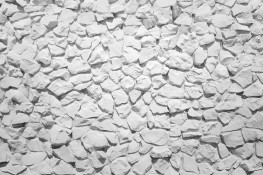
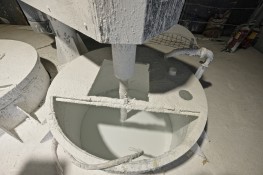
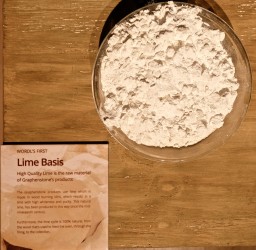
Lime is a versatile and ancient material, derived from limestone. Through a process known as calcination, limestone is heated to high temperatures to produce quicklime. This quicklime is then hydrated with water to create slaked lime to produce a putty. This putty can be mixed with other minerals and pigments, to create lime paint.
Benefits of Graphenstone’s lime-based paint
Breathability: Lime-based paint is vapour open, enabling walls to breathe and allowing moisture to evaporate. This helps to prevent the build-up of damp and minimising mould growth. Graphenstone lime paints are Class 1 vapour open with an Sd of between 0.01 and 0.07.
Durability: Traditional lime paints are fragile and are not known for their durability. The inclusion of graphene in Graphenstone paints transforms this fragile material into one that is hardwearing and washable. Graphenstone paints are durable to Class 1 wet scrub rating.
Environmentally friendly: Graphenstone paints are manufactured using 100% renewable energy, in the form of solar and wind power, and utilise the waste olive pits from the local olive oil industry as part of the biomass fuel. The wastewater is reused in production in a closed-loop system, further reducing waste. Our environmental impact is as minimal as possible. Graphenstone paints have one of the lowest carbon footprints on the market - GWP(A1-3) 0.089 kg CO(e)/m2 per coat.
Air Purification: Lime-based paints absorb Carbon dioxide as they cure (the majority in the first 30 days after application) as part of the natural lime cycle. Ambient Pro +, through a natural chemical reaction with light, is also able to continually eliminate airborne pollutants and toxic gases, such as NOx, SOx as well as some VOCs. Tests undertaken by UEL show upto 55% reduction in NOx levels.
Bacteria: Lime is a naturally anti-bacterial due to being alkaline with a higher pH. Graphenstone paints will naturally resist the build-up of mould, mildew and bacteria without the need for additional chemical biocides helping to create a healthier environment. Graphenstone lime paints show a reduction between 99.8-99.9% reduction in bacteria levels tested on salmonella and e.coli.
Things to consider when using Graphenstone’s lime-based paints
Curing Time: We cure naturally! Allow 2-4 hours between coats and 24 hours for full drying. Allow 3-4 days for the lime to initially cure (the colours and coverage will become more opaque over this time period). Full cure is achieved in around 30 days after which Graphenstone paints are durable to Class 1. Avoid rubbing or cleaning during this time.
Surface Preparation: Follow standard paint preparation rules. Surfaces need to be clean, dry and properly prepared. In some cases, a primer might be required – e.g. if painting onto bare lime renders use Ambient Primer L42 our stabilising primer, onto wood or MDF use Four2Four multi-surface primer.
Colours: Our lime paint bases are made using 98% pure white lime. As a result, we can only achieve light and pastel colours. Due to the way lime cures, the colour will develop and become more solid over the first 2-3 days. Initially, the paints may look a little patchy – this is normal; allow the natural curing process to take place. For a larger colour range, look at some of the other paints in the Graphenstone range – GCS or GrafClean.
Application: Standard paint rules apply! Graphenstone paints apply in the same ways as standard paints. There are some slight differences due to the fact it is a mineral-based paint, not an acrylic. Our paints are nearly 70% solid so they are heavier than other paints. It is important to dilute the paints with clean water (between 10-20%) – this will not affect the coverage. Roll the paints out well and don’t try and stretch the paints like you might an acrylic. Two coats of paint are generally sufficient, however, an extra coat might be required on some of the darker, stronger colours.
Graphenstone Paint: Merging ‘Tradition and Innovation’.
Graphenstone paint takes the time-tested advantages of lime-based paints and infuses them with advanced graphene technology. This union results in a paint that not only preserves the benefits of breathability, durability, and eco-friendliness but also enhances these attributes through improved performance and longevity.
In conclusion, the use of lime in paint offers a harmonious blend of tradition and modern science. Graphenstone paint exemplifies the evolution of this practice, emphasising sustainability and innovation.
For further help and advice please email the office at [email protected] or contact one of our local stockists.

Related Products
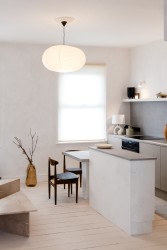
Ambient Pro + WHITE and COLOUR – Air Purifying Matt. Lime based air purification paint for interior & exterior use.
Graphenstone UK| Pack Size (volume): | 1-15 |
| Application Method /...: | Brush, Other, R... |
| Coverage Rate: | 10 |
| Type of Use: | Concrete, Dry l... |
| Max Coverage Rate: | 18 |
| Location Suitability: | External, Inter... |
| Water Vapour Resista...: | 0.05 |
| TVOC Emissions After...: | A+ |
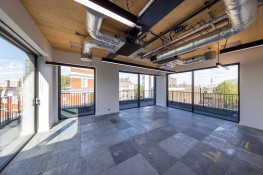
Ambient Pro + COLOUR – Air Purifying Matt. Lime based air purification paint for interior and exterior use.
Graphenstone UK| Pack Size (volume): | 1-15 |
| Application Method /...: | Brush, Other, R... |
| Coverage Rate: | 14 |
| Type of Use: | Concrete, Dry l... |
| Max Coverage Rate: | 18 |
| Location Suitability: | External, Inter... |
| Water Vapour Resista...: | 0.05 |
| TVOC Emissions After...: | A+ |
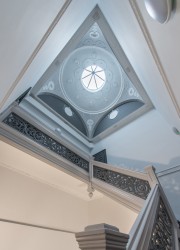
| Pack Size (volume): | 1-15 |
| Application Method /...: | Brush, Other, R... |
| Coverage Rate: | 12 |
| Type of Use: | Clay Plasters, ... |
| Max Coverage Rate: | 16 |
| Location Suitability: | Internal |
| Water Vapour Resista...: | 0.04 |
| TVOC Emissions After...: | A+ |
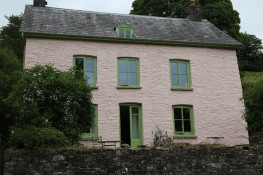
| Pack Size (volume): | 1-10 |
| Application Method /...: | Brush, Other, R... |
| Coverage Rate: | 10 |
| Type of Use: | Concrete, Dry l... |
| Max Coverage Rate: | 14 |
| Location Suitability: | External |
| Water Vapour Resista...: | 0.06 |
| TVOC Emissions After...: | A+ |
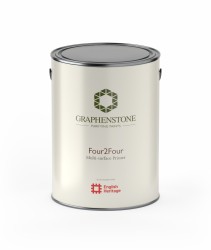
| Pack Size (volume): | 1-4 |
| Application Method /...: | Brush, Roller, ... |
| Coverage Rate: | 10 |
| Type of Use: | Glazed tiles, G... |
| Max Coverage Rate: | 14 |
| Location Suitability: | External, Inter... |
| Finish(es): | Primed |
| Uniclass: | Pr_35_31_22 Dec... |
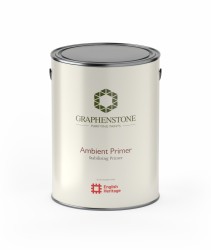
| Pack Size (volume): | 1-15 |
| Application Method /...: | Brush, Roller, ... |
| Coverage Rate: | 25 |
| Type of Use: | Cast concrete, ... |
| Max Coverage Rate: | 35 |
| Location Suitability: | External, Inter... |
| Water Vapour Resista...: | 0.06 |
| TVOC Emissions After...: | A+ |
Contact

Contact
Contact