Behind the Design: Q&A with Kelling Designs
Kelling Designs
Behind the Design: Q&A with Kelling Designs
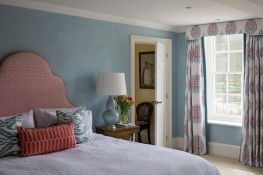
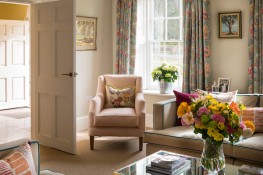
In our conversation with Kelling Designs, we explored their strategy for modernising a
historically significant Grade II listed Norfolk farmhouse. The owners, residing on the same
estate, aimed to reconfigure the layout to better suit their lifestyle while preserving the
building's heritage dating back to the 1500s. Collaborating with interior designer Emma
Deterding from Kelling Designs and LBR architects, Kelling Designs oversaw the process
of stripping the house back to its brick foundation and replastering and painting it anew.
They emphasised the importance of understanding the clients' aspirations in guiding
their design decisions and discussed their careful selection of eco-friendly paints,
highlighting the necessity of preserving the building's historical integrity while
transforming its interiors. This discussion shed light on the planning and attention to
detail required for such a transformative project.
1. How did you approach integrating period details dating back to the 1500s
into the modernised design?
The architect had done a lot of work on the modernisation of the house before we
were hired. When we came on board, we made some further alterations to other
areas and suggested a few additional tweaks to make the spaces work better,
helping to ensure the design was suited to modern-day living. We believe it is key
to understand how people are going to live in their house. After listening to our
clients' needs, we can draw on 30 years of experience in the business, to tailor our
recommendations and advice.
2. How did you work on creating a thoughtful flow throughout the property,
and what were the key considerations in reconfiguring the layout?
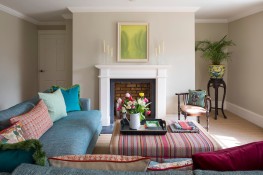
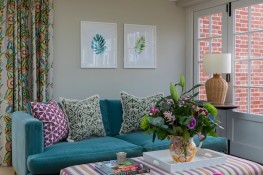
One of the core areas we think about during the planning stages is the use of
colour. Kelling Designs are known for our bold use of colour and pattern to create
vibrant and uplifting spaces – to achieve this we carefully plan our schemes using
colour to link from room to room. It is a fundamental factor in creating a cohesive
feel throughout the home.
3. How did you collaborate with the clients to understand their vision and
preferences for the upgraded farmhouse?
We went to their existing home and had a good look around, getting to know
them and how they live. We saw the furniture they wanted to take with them, as
well as the artwork they had. We got them to show us their Pinterest boards where
they had collated ideas and elements they liked, as well as magazines to get an
idea of the kinds of designs and features they wanted to include in the project. But
more importantly, we spoke to them about their aspirations for the house. This
helps to make the process really collaborative, and allows us to make the right and
relevant suggestions for them – sometimes pushing them out of their comfort
zone where we felt it might be needed.
4. Given the historical nature of the farmhouse, how important was it to use
breathable paints in the restoration process?
It was very important to us and the listed building officer that the paints we used
were breathable and sensitive to the nature and history of the building, so
Graphenstone was the perfect choice. The whole house had to be rebuilt using
materials and techniques that were sensitive to the building and that allowed it to
breathe.
5. How was the overall application experience of Graphenstone Paints during
the restoration process?
It’s an interesting question as I did ask a few of the decorators whether they liked
the paints - and they all seemed to be pleased with the application. We often have
instances and certain brands where the decorators are not happy.
6. Could you share specific instances where our team's support made a notable
difference in the project’s execution or decision-making process?
The whole team was great in supporting us, particularly the magic men who mix
and create the colours. We often wanted the paints tweaked to the right shade for
our schemes and they were happy to experiment and help us. They were never
angry if we asked for another batch if it didn’t quite work - they were so
accommodating and this made the whole process much easier.
7. In retrospect, is there anything you learned from using Graphenstone Paints
in this historical restoration project that might influence your approach to
future projects?
I am fascinated by the concept that if you use enough of the paint, you begin to
absorb CO2 which has to be healthier for us in the context of a home. As we learn
more about how to be sustainable and good to the planet, it must make sense to
use paints that are kinder to the environment and better for our clients’ health.

Related Products
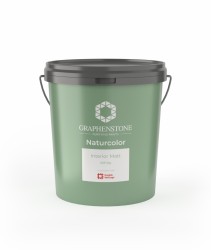
| Pack Size (volume): | 1-15 |
| Coverage Rate: | 12 |
| Location Suitability: | Internal |
| Max Coverage Rate: | 16 |
| Type of Use: | Clay Plasters, ... |
| Application Method /...: | Brush, Other, R... |
| TVOC Emissions After...: | A+ |
| Water Vapour Resista...: | 0.04 |
| Pack Size (volume): | 1-10 |
| Coverage Rate: | 10 |
| Location Suitability: | External, Gener... |
| Max Coverage Rate: | 14 |
| Type of Use: | Concrete, Dry l... |
| Application Method /...: | Brush, Other, R... |
| TVOC Emissions After...: | A+ |
| Water Vapour Resista...: | 0.1 |
| Pack Size (volume): | 1-10 |
| Coverage Rate: | 12 |
| Location Suitability: | External, Gener... |
| Max Coverage Rate: | 16 |
| Type of Use: | Concrete, Dry l... |
| TVOC Emissions After...: | A+ |
| Typical Building Sec...: | Commercial, Dom... |
| Colour: | Beige, Black, B... |
| Pack Size (volume): | 4-15 |
| Coverage Rate: | 12 |
| Location Suitability: | General, Intern... |
| Max Coverage Rate: | 16 |
| Type of Use: | Dry lining, Int... |
| Application Method /...: | Brush, Other, R... |
| TVOC Emissions After...: | A+ |
| Water Vapour Resista...: | 0.08 |
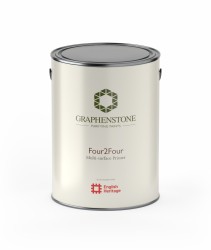
| Pack Size (volume): | 1-4 |
| Coverage Rate: | 10 |
| Location Suitability: | External, Inter... |
| Max Coverage Rate: | 14 |
| Type of Use: | Glazed tiles, G... |
| Application Method /...: | Brush, Roller, ... |
| Finish(es): | Primed |
| Uniclass: | Pr_35_31_22 Dec... |
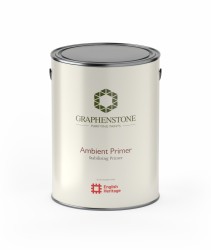
| Pack Size (volume): | 1-15 |
| Coverage Rate: | 25 |
| Location Suitability: | External, Inter... |
| Max Coverage Rate: | 35 |
| Type of Use: | Cast concrete, ... |
| Application Method /...: | Brush, Roller, ... |
| TVOC Emissions After...: | A+ |
| Water Vapour Resista...: | 0.06 |
Contact

Contact
Contact