How Do You Maintain LST Radiators?
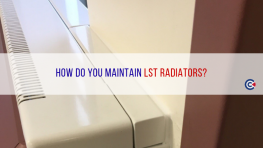
LST radiators are designed to be long-lasting, safe heating solutions for whatever space they are installed into. To ensure that they are always operating to their full potential, it’s vital that they are properly maintained.
But what’s the best way to do that?
Contour has been blogging about maintaining LST radiators and ensure that they are consistently meeting their expected potential.
Read on to find out more…
The System
A clogged up LST radiator isn’t an efficient one. They can make heating bills higher and take longer to heat up a space.
Heating systems can get congested with rust or dirt which builds up at the bottom of the LST radiator stopping hot water flowing through the system which creates cold patches in the affected areas.
Flushing cleans out the system by driving out the dirt and rust. You should start by pumping clean water into the system to dislodge any initial lumps of rust or dirt.
Once this has been completed specialist cleaning chemicals are added that are designed to target the blockage in the systems. This is flushed through the system to move the build-ups out of the system which is then replaced with clean water.
This process needs to take place several times to ensure a completely refreshed heating system that is totally clean through.
It’s also important to ensure that there is no air in the system as this will cause a build of corrosion and require more flushing to take place.
Signs your heating system needs to be flushed:
• Brown fluid when you bleed the LST radiators
• Cold patches on the LST radiator
• Noisy boiler
• A heating system taking a long time to warm up
Valves
Checking the valves on your LST radiators is a key way to ensure that they are properly maintained.
When radiators are switched off over summer the valves are also not in use. This can cause them to stick in position.
An effective way to overcome this is to turn the system on once every few weeks for a few moments to prevent the valves from sticking in place and to ensure that during winter they are in their optimal condition when you really need a fully working heating system.
Radiator Covers
Contour’s Operations And Maintenance manual recommends that LST Radiators are cleaned with a non-abrasive damp cloth or brush without using cleaning agents.
Cleaning products could react with the powder coating on our LST radiators which use BioCote® anti-microbial technologies which is 99.99% effective against resistant bacteria such as MRSA and E. Coli.
Conclusion
It’s important to ensure that LST radiators are maintained properly to prevent them from becoming less efficient or less cost-effective.
Flushing the system rids the LST radiators of dirt and rust build-up that could otherwise compromise the heat output over time.
Checking the valves and running the system once or twice throughout the months when it’s not required means that during winter the system will be fully optimised for its best performance.
It’s also important to clean the LSTS with soft, chemical-free cloths to protect the powder coating on the surface and ensure that antimicrobial technologies are not interfered with. This ensures that the LST radiators will consistently perform to the highest possible standard.

Related Products

| Uniclass: | Pr_40 Signage, ... |
| Height: | 450-1000 |
| Length: | 500-2000 |
| Material: | 1.5mm Zintec Mi... |
| Application Method /...: | Internal |
| Corner Radius: | 10 |

| Uniclass: | Pr_40 Signage, ... |
| Height: | 450-1000 |
| Length: | 500-2000 |
| Material: | 1.5mm Zintec Mi... |
| Application Method /...: | Internal |
| Corner Radius: | 10 |

| Uniclass: | Pr_40 Signage, ... |
| Height: | 650-1000 |
| Length: | 600-2000 |
| Depth: | 155-195 |
| Colour: | White |

| Uniclass: | Pr_40 Signage, ... |
| Height: | 530-895 |
| Length: | 600-2000 |
| Depth: | 155-195 |

| Uniclass: | Pr_40 Signage, ... |
| Height: | 500-850 |
| Length: | 600-2000 |
| Depth: | 155-195 |
| Colour: | White |
Contact

Contact
Contact