ProtectaWeb Geocells for Tree Root Protection and Erosion Control
by Geoworks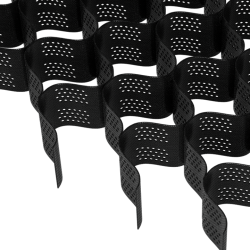
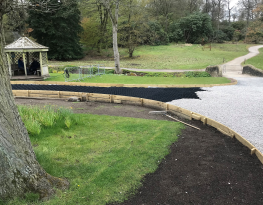
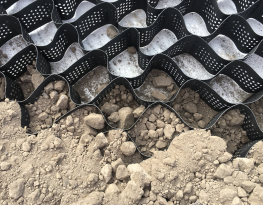
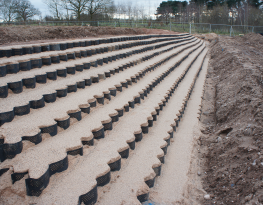
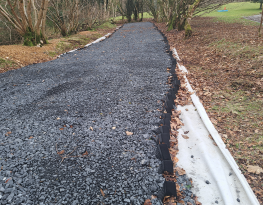
ProtectaWeb™ is a three-dimensional geocell confinement system designed to provide effective reinforcement, erosion control, and tree root protection in civil engineering and landscaping projects. Manufactured from high-strength polymer strips, it expands on site into a honeycomb structure that confines infill materials such as soil, sand, or stone, creating a stable and durable surface.
A key application of ProtectaWeb is tree root protection. By distributing loads laterally across its interconnected cells, the system minimises soil compaction around sensitive root zones. This allows access roads, footpaths, and parking areas to be built over existing trees without compromising their health. ProtectaWeb supports compliance with BS 5837 guidance, offering a practical way to protect mature trees during development.
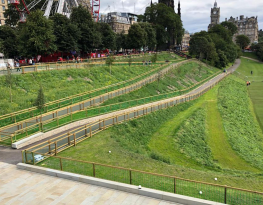
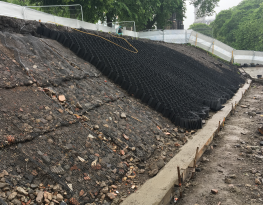
ProtectaWeb is also widely specified for erosion control. On slopes, embankments, and channel banks, it prevents soil movement by holding material within each cell, reducing the impact of surface water run-off and wind. Vegetated ProtectaWeb systems can contribute to Sustainable Drainage Systems (SuDS) by supporting infiltration at source and managing water more naturally. In hydraulic settings, stone-filled ProtectaWeb provides durable protection against scouring flows.
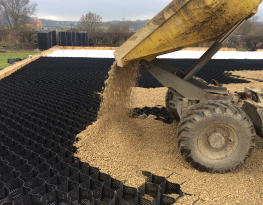
The system is equally effective for load support in areas with weak subgrades, such as temporary access roads and working platforms. By confining the fill material, ProtectaWeb reduces the thickness of imported aggregates required, improving construction efficiency and lowering carbon impact.
Lightweight and easy to install, ProtectaWeb panels can be filled with locally available soils or aggregates, further reducing environmental impact. Available in a variety of depths and cell sizes, it offers flexibility across a wide range of project conditions.
With proven benefits for tree root protection, erosion control, SuDS compliance, and load support, ProtectaWeb provides specifiers with a sustainable, versatile solution backed by Geoworks’ technical expertise and CPDs.
Specification Details for ProtectaWeb Geocells for Tree Root Protection and Erosion Control (Geocells)
Please note that these product properties are not a replacement for the manufacturer's literature and it is always recommended that Geoworks is consulted before specifying.
 Size & Weight
 Other
Other
 Technical
 Materials & Finishes
File Downloads for ProtectaWeb Geocells for Tree Root Protection and Erosion Control
ProtectaWeb™ is a three-dimensional geocell system made from high-strength polymer strips. When expanded and filled with soil, stone or sand, it forms a honeycomb structure that stabilises the ground and prevents material movement.
It is widely used for tree root protection, erosion control on slopes and embankments, load support for access roads and working platforms, and in hydraulic applications such as riverbanks and channels.
ProtectaWeb™ spreads loads laterally across its interconnected cells, reducing soil compaction around root zones. This allows surfaces like paths or parking areas to be constructed above tree roots without damaging them.
Yes. By allowing water to infiltrate through the soil or gravel within its cells, ProtectaWeb™ supports Sustainable Drainage Systems (SuDS). It helps manage runoff at source and reduces pressure on traditional drainage infrastructure.
On slopes or embankments, the geocell structure confines soil and prevents it from being washed or blown away. It can also be vegetated, providing natural stabilisation and improving biodiversity.
Yes. It is designed to work with a range of locally available infill materials, including soil, sand, gravel or stone. This reduces transport costs and lowers the carbon footprint of a project.
When filled, ProtectaWeb™ significantly increases the load-bearing capacity of the surface. It can support traffic from pedestrians, vehicles and construction plant depending on the design.
No. It is lightweight, easy to transport and simple to expand on site. The panels can be quickly anchored, filled, and compacted without specialist equipment.
ProtectaWeb™ is available in different cell depths and sizes to match project-specific requirements, from shallow landscaping applications to heavy-duty load support.
ProtectaWeb™ supports compliance with BS 5837 for tree root protection and aligns with best practice for SuDS, erosion control and sustainable ground engineering.
It is widely used for tree root protection, erosion control on slopes and embankments, load support for access roads and working platforms, and in hydraulic applications such as riverbanks and channels.

Similar Geocells Products

Contact

Contact
Contact